
Ah, Springtime… The nights are a bit shorter but it’s getting a little warmer now. It’s a tough trade-off. And while I’d love to be out enjoying “Galaxy Season”, my meager max focal length of 250mm puts this a bit out of range for me. So I’ve decided to turn my attention to the Iris Nebula (NGC 7023) which is a neat little reflection nebula. This target while easy to find is really pushing the limits of my wide-field setups. That, and Bortle 6 skies threaten to wash out the faint features of this massive cloud complex. But I’ll give it a whirl and hope for the best as usual.
Testing Out a New Application
So while I’m just ramping up for what I hope is a great summer of shooting, I thought I’d take a little time to test out a new application. If you’ve been reading along, you know I’m a big fan of N.I.N.A. What I find bothersome, however, is having to lug my laptop outside so I can run a three point polar alignment. It’d be great if I didn’t have to cart that thing around with a small table or something just to setup for a few minutes. Apparently, I’m not the only person who thought that so some wizard went ahead and developed a mobile app for that. It’s called Touch ‘N’ Stars.

Touch ‘N’ Stars is a mobile app for tablets and phones that interfaces with a N.I.N.A. instance for full touch control over an imaging session. While it may look a bit intimidating to set up, it’s really not. A real clean interface and intuitive design make this an immediate winner. And it’s available for both Android and iOS. As expected, my favorite part was using the three point alignment and it worked a treat. Ah, so nice.
I will confess that I didn’t use all the functionality that Touch ‘N’ Stars has to offer. You really can control your whole imaging session from the app. Everything you can do in N.I.N.A., you can do from Touch ‘N’ Stars. What I was desperately looking for was a bridge between my indoor computer station and my outdoor setup work. So for me, Touch ‘N’ Stars was awesome for the first autofocus, three point polar alignment, and running the flat wizard a little later in the morning. Everything else, I felt more comfortable doing indoors after getting setup outdoors. Point is, this app gives you very flexible options.
Capturing the Iris Reflection Nebula
It was a beautifully clear evening and the temperature was a balmy 5 degrees. Wonderful weather for April. Shoot, it was wonderful weather for taking photos. In addition to using Touch ‘N’ Stars, I really wanted to test out some new settings for taking images. Specifically, I wanted to see if taking longer exposures would work well for me. The raging debate between short vs long exposures can carry on. I’m just gonna give a try and look at the pros and cons of running longer exposures.

Normally, I’d run 30-45 second exposures for my light frames with the ZWO ASI183MC Pro. For this session, I’m bumping this up to 120 seconds. I think this will work fine provided the light pollution isn’t swamping all my signal and my focus remains relatively sharp. The former is manageable given the moonless night and the sky position of the Iris reflection nebula. The later is no problem at all now with a newer version of the Slim autofocuser I announced a couple of posts ago. And I promise this new version will make it to my builds page soon. I just have a little code cleanup and organization to do before sharing.
There’s not much to say about the session itself except that I was able to capture a whopping 4.5 hours worth of data. That makes this one of the longest imaging sessions I’ve ever completed on a single target. The darks took an annoyingly long 50 minutes to capture but overall, I was happy with the session, albeit a bit tired by the time the sun was coming up.
Tricky Post Processing
This isn’t the first time I’ve attempted to capture the Iris reflection nebula and so I knew what I was getting into. This is a target you need to shoot under dark sky conditions. The Iris nebula has a rather large dust cloud complex. This is absolutely beautiful. However, it’s really dark and only a relatively small window of the cloud is illuminated brightly by bright stars. This makes processing images of the nebula difficult where there is a lot of light pollution. Any background extraction is going to end up washing out some of these dark features. Masking the extraction to protect these features can help a little, but the best fix is really just dark skies.
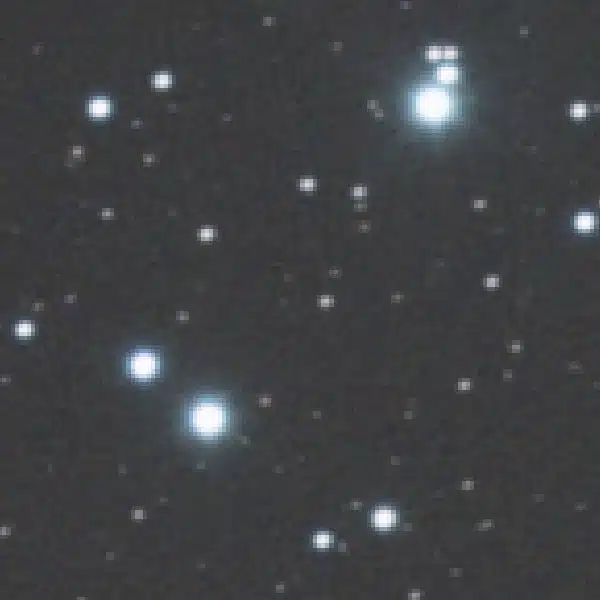
The background extraction is only the beginning of the battle… Once you get the color calibrated and begin stretching, you’ll be scratching your head as to where all that wonderful data disappeared. My data is just really hard to stretch. You expect this when shooting from a Bortle 6 zone. But with this particular target, there’s just so much signal that gets lost. I’ll definitely have to try this target again the next time I get down to Bieszczady. But here’s the final stack of my image which I’m happy enough with.

Brief Musings on Longer Exposures
As far as light capture goes, I very much fall into the camp that believes that there is no inherent difference between shorter and longer exposures. But that’s not to say there aren’t clear pros and cons to snapping longer photos…
There are a number of pros to consider with longer exposures:
— Fewer light frames means preprocessing the images is lightning fast
— Fewer light frames use a lot less disk space during preprocessing
— Dithering on every image makes sense
But there is a complimentary list of cons to keep in mind:
— Images will have many more satellite trails
— Darks take an annoyingly long time to capture
— Light pollution is more prevalent in images
— Requires good polar alignment and focus
All in all, the pros outweigh the cons in my book for right now. So I believe that I’ll be shooting longer exposures where I can moving forward in the future.